



The Essential Saltwater Fishing Gear Checklist: What You Actually Need
After years of saltwater fishing—from rocky shorelines to open surf and boat trips—I’ve learned one thing the hard way: having the right accessories matters just as much as having the right rod and reel.
Saltwater is unforgiving. It corrodes metal, destroys cheap plastic, and exposes weak gear immediately. If you walk into a tackle shop without a plan, it’s easy to walk out with a lot of "gadgets" you’ll never use.
Whether you are a beginner asking "what do I need to start fishing?" or a pro looking to refine your setup, this is my practical, real-world gear list. No gimmicks, no clutter—just the tools that actually help you land fish.
1. Pliers: The Non-Negotiable Tool

If I had to name the single most important accessory in my bag, it would be pliers. No contest. In saltwater fishing, pliers are used constantly—for hook removal, cutting heavy leader, opening split rings, and fixing gear on the fly.
What to look for:
-
Corrosion Resistance: You need high-grade aluminum or stainless steel. Anything less will rust within a week.
-
Strong Cutters: Ensure they have tungsten cutters capable of slicing through braid cleanly.
-
Lanyard & Holster: Dropping a $50 pair of pliers into the ocean hurts... both emotionally and financially. Secure them to your belt.
2. Storage: Organized Chaos vs. Ready to Fish
Saltwater destroys cheap storage fast. Rust, seized hinges, and warped plastics are the norm if you buy low-quality boxes. Proper storage turns a messy pile of gear into a functional system you can rely on when the bite is hot.
Smart storage options:
-
Waterproof Trays: Look for boxes with a rubber O-ring seal to keep the salt spray out.
-
Drainage: If you use soft tackle bags, ensure they have drainage holes so water doesn't pool at the bottom.
-
Rust Inhibitors: I always recommend tossing a silica packet or rust-inhibitor chip into your compartments to protect your hooks.
3. Sunglasses: A Tool, Not Just Fashion

Sunglasses aren’t just about comfort—they are a legitimate piece of fishing equipment. If you can't see the fish or the structure, you can't catch them.
Why Polarization is Mandatory: Polarized lenses cut through the surface glare. This allows you to:
-
Spot cruising fish and bait balls.
-
Identify submerged rocks and reef structure.
-
Protect your eyes from UV rays and flying hooks (safety first).
If you are fishing the flats or the surf without polarized glasses, you are fishing blind.
4. Terminal Tackle: The Business End
You can own the best rod in the world, but if your terminal tackle fails, the fish is gone. This is the "small stuff"—hooks, swivels, split rings, and leader material.
The Saltwater Standard:
-
Hooks: Must be chemically sharpened and saltwater-rated (usually tin or black nickel coated).
-
Swivels: Essential to prevent line twist, especially when using spinning reels.
-
Leader: High-quality Fluorocarbon or Monofilament. Don't skimp here; it’s the invisible link between you and the fish.
Putting It All Together
Saltwater fishing rewards preparation and punishes shortcuts. The right accessories don’t just make things easier—they prevent lost fish and ruined trips.
If you are building your kit, start with these four pillars: Good Pliers, Sealed Storage, Polarized Eyes, and Quality Terminal Tackle. Once you have that foundation, you are ready for the fun part: picking the lures.
Cheers for reading!
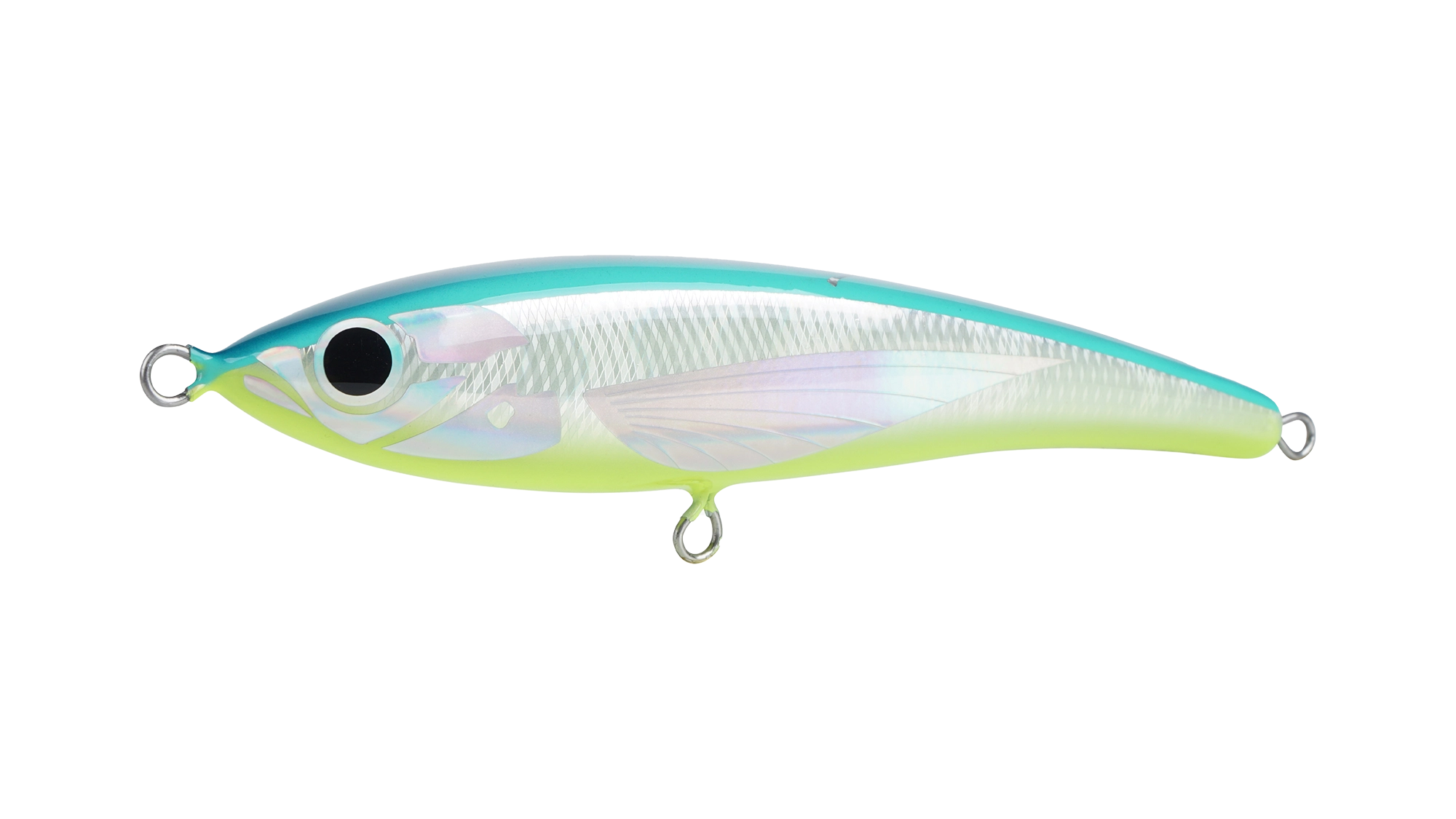
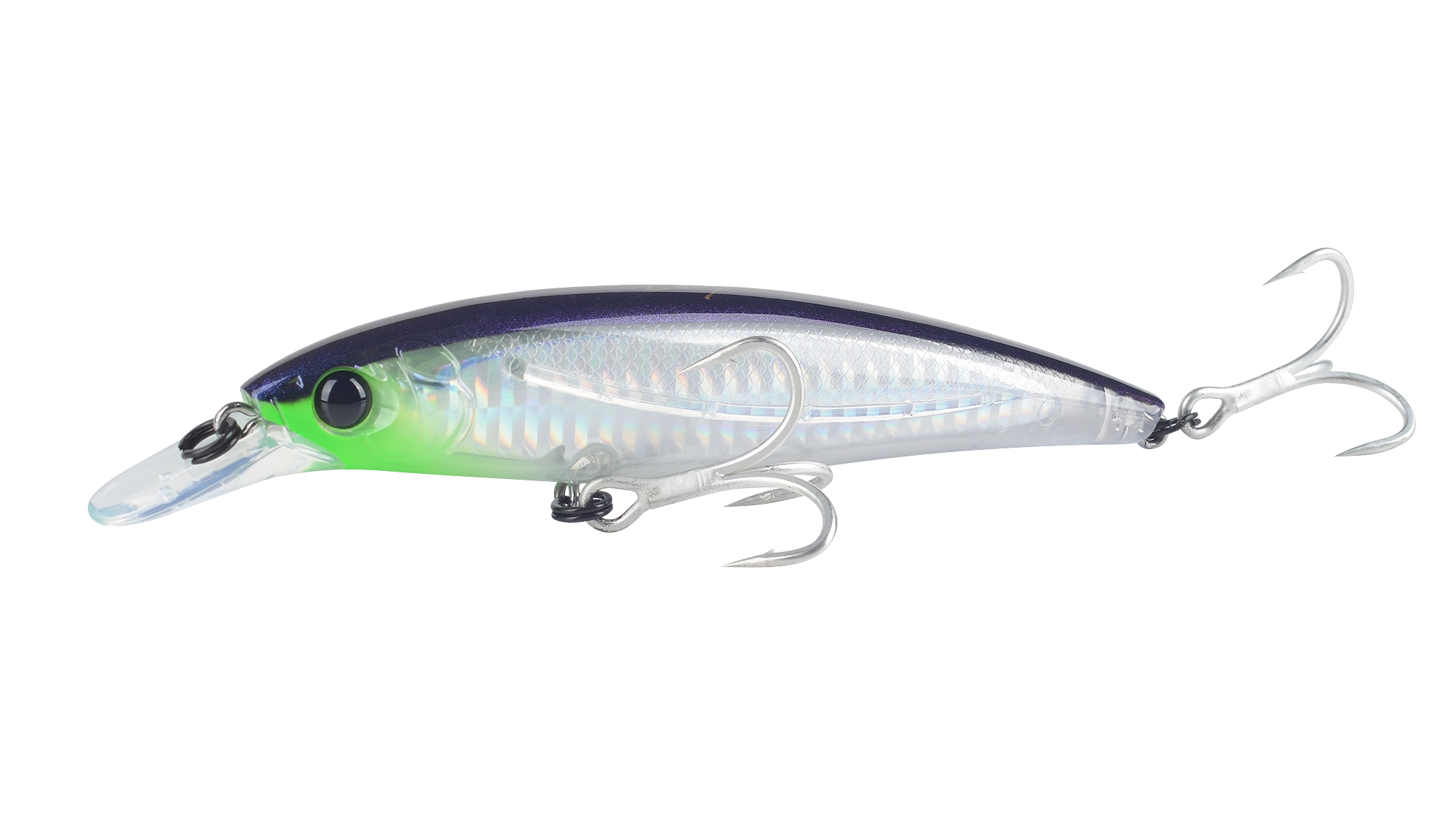
Now that your gear bag is sorted, you need something to throw at the fish. Check out my range of handmade wooden lures right here on the site. Every single lure is built by me, tested in these exact conditions, and pushed to the limit to ensure they catch.
See you on the water! – Cavy
