



How to Maintain and Store Saltwater Fishing Gear So It Lasts Longer (Especially Handmade Lures)
After years of saltwater fishing—from rocky shorelines to open surf and boat trips—I’ve learned one thing the hard way: Saltwater is unforgiving. It corrodes metal, rots fabric, and exposes weak gear immediately.
You can buy the best rod and reel on the market, but if you treat it like freshwater gear, it won't survive the season.
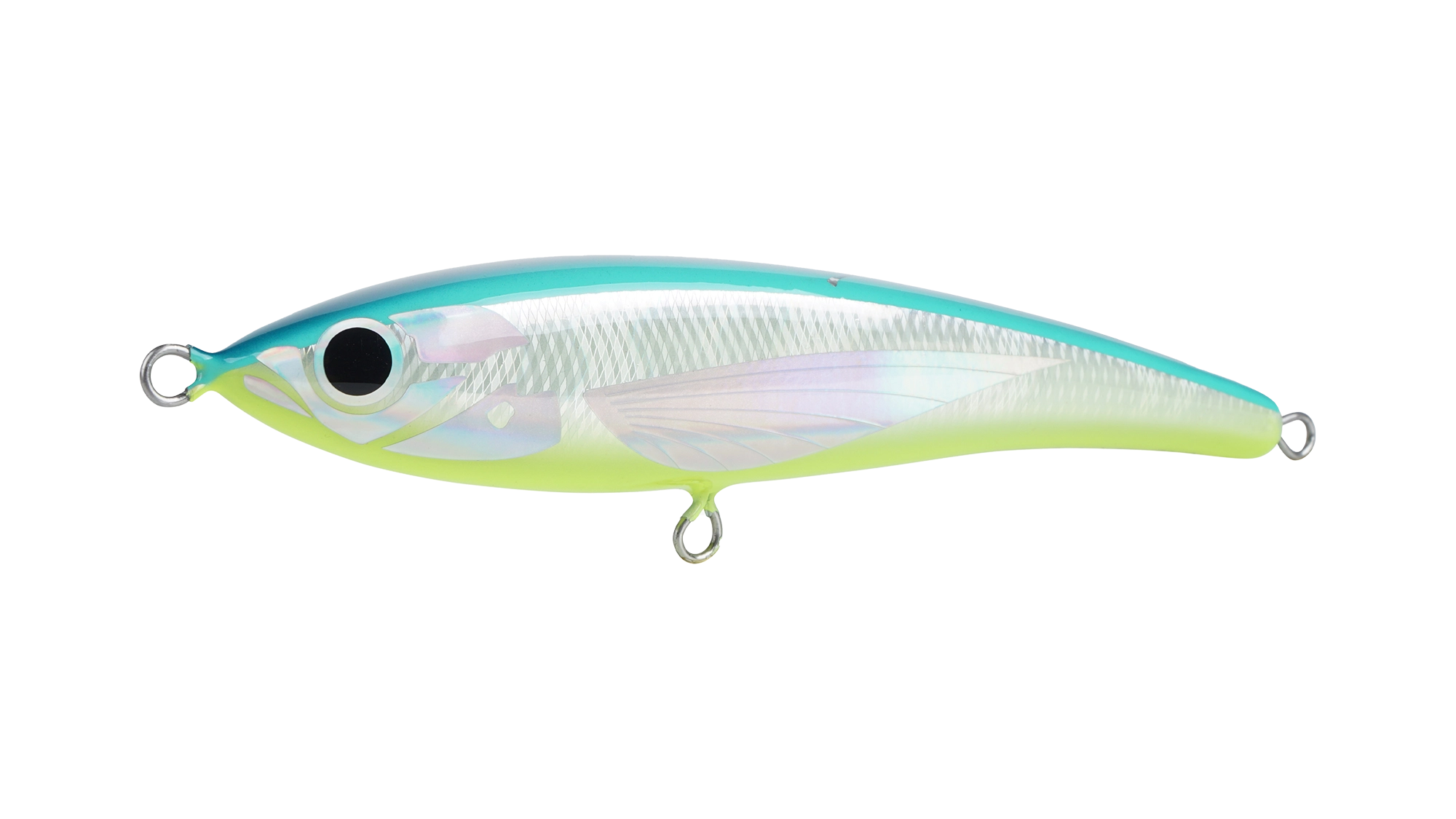
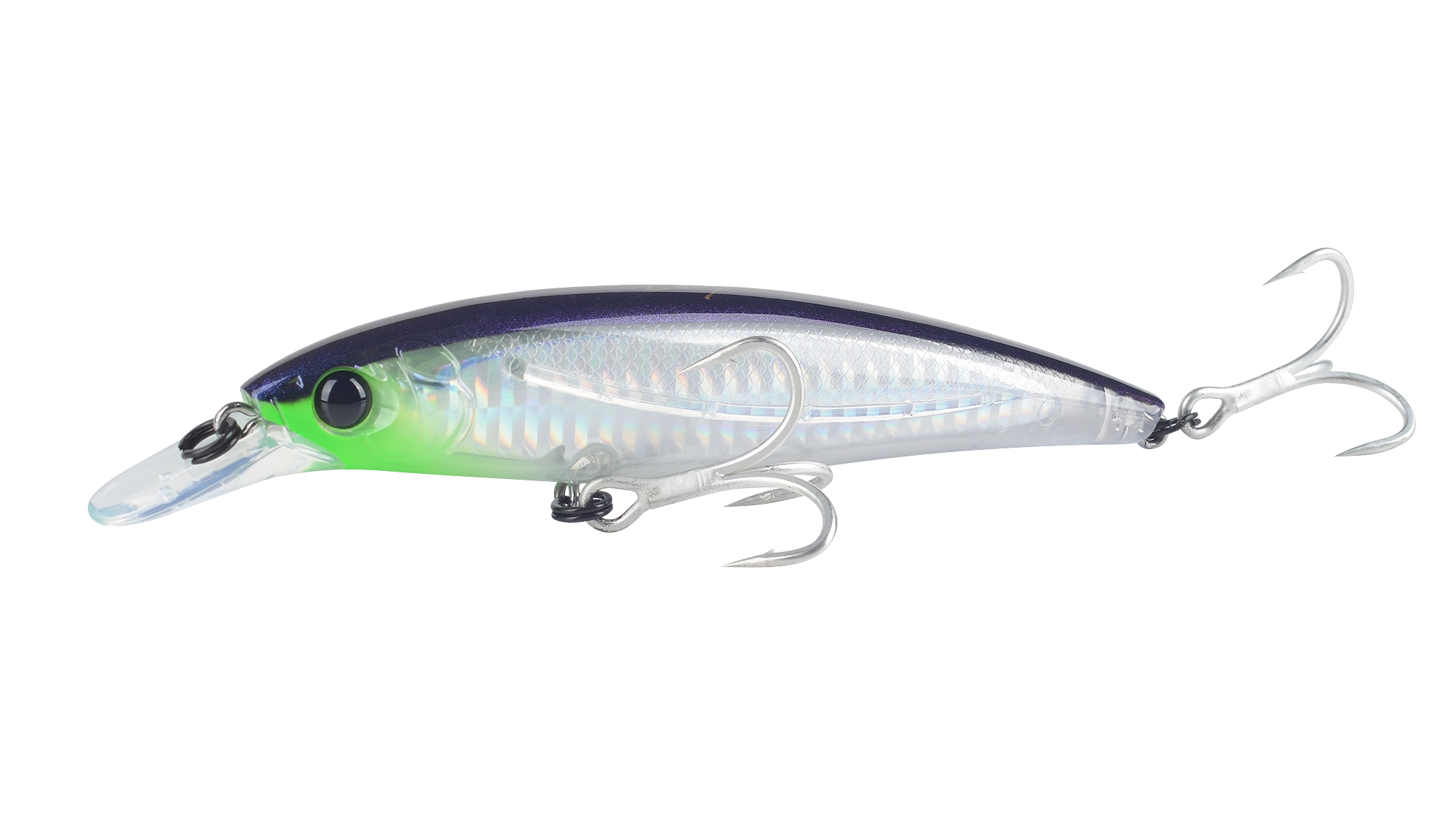
Whether you are new to the game or a seasoned pro, looking after your equipment is just as important as knowing how to cast. Below is my practical guide to maintaining your saltwater fishing equipment and, specifically, how to care for your Cavy Fishing handmade lures to ensure they keep swimming straight for years to come.
1. Caring for Handmade Wooden Lures

Since the title mentions this, let’s start here. This is the most asked question I get.
Handmade timber lures are an investment. Because they are made from natural materials (like cedar or paulownia) and hand-painted, they require a little more respect than a $5 plastic bait.
-
Rinse, Don't Just Spray: After every session, rinse your lures in fresh water. Salt crystals can build up in the split rings and hook eyes, causing corrosion that weakens the hardware.
-
Dry Before You Store: Never throw a wet wooden lure back into a sealed tackle box. Moisture trapped in a box can cause hooks to rust and, in extreme cases, can cause wood to swell if the epoxy seal has been compromised. Let them air dry in the shade first.
-
Watch the Heat: Do not leave your custom wooden lures on the dashboard of your truck in the baking sun. Extreme heat can expand the air inside the wood and crack the epoxy finish.
-
Separate from Soft Plastics: Crucial tip. Never store wooden hard baits in the same compartment as soft plastic lures (ElaZtech, PVC, etc.). The chemicals in soft plastics can react with the clear coat on wooden lures, melting the finish.
2. Pliers: The Most Essential Tool (And How to Save Them)
If I had to name the single most important accessory in my bag, it would be pliers. No contest. In saltwater fishing, pliers are used constantly—for hook removal, cutting braid, and fixing gear on the fly.
What to look for:
-
Material: You need high-grade aluminum or stainless steel.
-
Cutters: Tungsten carbide cutters are best for slicing through braid.
Maintenance Tip: Even "corrosion-resistant" pliers can seize up. Once a month, drop a tiny bit of oil or WD-40 on the hinge and work it back and forth. It takes 10 seconds and saves you from having frozen pliers when you need to unhook a thrashing fish.
3. Storage: Keeping Your Essentials Organized
Saltwater destroys cheap storage fast. Rust, seized hinges, and warped plastics are common issues. Proper storage is a core part of saltwater fishing tackle essentials, not an afterthought.
Smart storage for saltwater anglers:
-
Drainage is Key: If you fish from rocks or a kayak, use a tackle bag or box that allows water to drain out. Trapped saltwater is the enemy.
-
Rust Inhibitors: I recommend throwing a silica gel packet or a specific rust-inhibitor chip into your tackle trays. It absorbs moisture and keeps your hooks sharp.
4. Terminal Tackle: The Small Stuff That Matters
Hooks, swivels, split rings, snaps, leader material—this is the stuff that actually touches the fish. You can own the best fishing stuff in the world, but if your terminal tackle fails, the fish is gone.
The "Bin It" Rule: Inspect your terminal tackle before every trip. If you see a spot of rust on a split ring or a hook point that looks dull? Bin it. Don't lose the fish of a lifetime because you wanted to save 50 cents on a split ring.
5. Sunglasses: Protection and a Tool

Sunglasses aren’t just about comfort—they are critical safety gear.
-
Polarized lenses: They reduce glare, help you spot baitfish, and protect your eyes from flying hooks (and the relentless sun).
Maintenance Tip: Never wipe your sunglasses with your fishing shirt. Your shirt is likely covered in salt spray and sand. Wiping your lenses with it is like using sandpaper. Rinse them with fresh water first, then wipe them with a microfiber cloth.
Final Thoughts from the Water
Saltwater fishing rewards preparation and punishes shortcuts. The right accessories and proper maintenance don’t just make things easier—they prevent lost fish and ruined trips.
Take ten minutes after your trip to wash down your gear. Your future self (and your wallet) will thank you.
If you are looking to upgrade your setup with gear that is built to handle these conditions, check out the Cavy Fishing shop. I don't sell anything I haven't personally pushed to the limit.
Cheers, – Cavy
